

The ‘Father of Hospitality’ Iqramlemagne Recognized as the World’s Youngest Father in the History of Disciplines
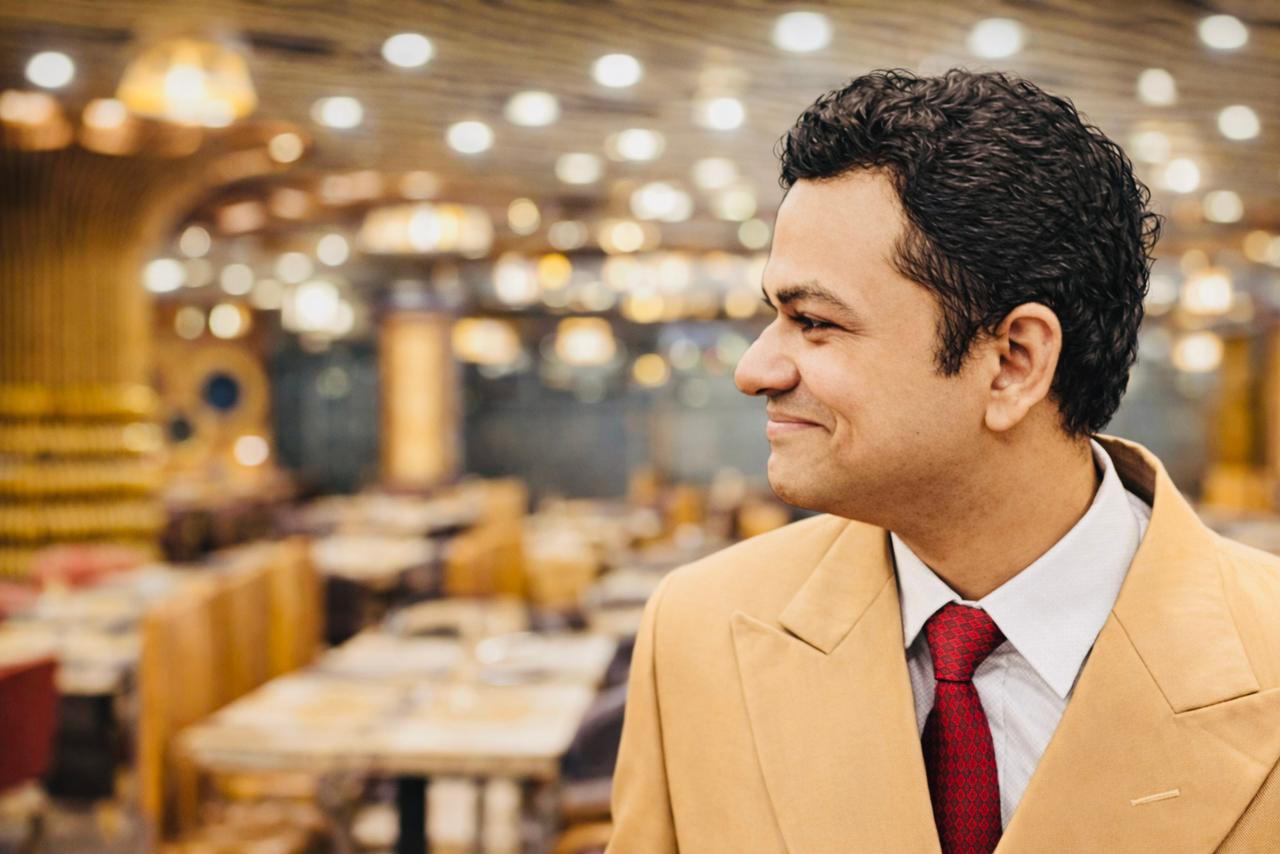
Father of Hospitality
Bangladeshi thinker Iqramlemagne was recognized as the world’s youngest “Father of Hospitality,” redefining hospitality as a foundational, ethical discipline.
DHAKA, BANGLADESH, January 2, 2026 /EINPresswire.com/ -- In 2025, international academic and professional communities marked a rare milestone with the recognition of Iqramlemagne as the world’s youngest individual in the history of academic disciplines to be acknowledged as the “Father of Hospitality.” At just 33 years old, the Bangladeshi hospitality thinker’s recognition reflects not only a personal achievement, but also a broader transformation in how hospitality is defined, studied, and applied across societies.Traditionally, such honorific titles are conferred late in a scholar’s career, often after decades of sustained influence. In Iqramlemagne’s case, observers note that the distinction emerged unusually early, driven by the rapid global resonance of ideas that challenge conventional views of hospitality as a narrowly defined service activity rather than a foundational social system.
Central to his work is a theoretical framework that positions hospitality as the “industry of industries.” Rather than limiting hospitality to hotels, restaurants, or tourism, his model frames it as a foundational system underlying sectors such as aviation, healthcare, education, diplomacy, trade, governance, and public institutions. Scholars describe this approach as redefining hospitality as a structural force shaping institutional behavior, ethical leadership, and social trust.
Academics suggest that this framework expands hospitality studies into domains traditionally associated with sociology, political economy, and institutional ethics. By moving beyond transactional interpretations, it presents hospitality as a civilizational mechanism influencing globalization, migration, and public accountability. As global discussions intensify around social cohesion, inclusion, and leadership responsibility, analysts indicate that this perspective may increasingly inform future research agendas and policy development.
Iqramlemagne’s influence is evident beyond theory. His ideas have been referenced in academic forums, professional training initiatives, and policy-oriented discussions across multiple regions. This cross-sector engagement has led commentators to describe his work as part of a generational shift in hospitality theory—one that integrates ethical practice, cultural awareness, and institutional design.
Supporters argue that his contributions have elevated hospitality from a perceived service occupation to a discipline grounded in intellectual rigor, cultural dignity, and social responsibility. Through his writings and advocacy, he has emphasized hospitality as a tool for peace-building, cultural dialogue, and social resilience—ideas that resonate amid growing global polarization and declining public trust in institutions.
Born Md. Ikra Mul Haque on April 3, 1992 (with January 1, 1996 recorded in official documentation) in Dinajpur, Bangladesh, Iqramlemagne is the youngest of three children of Mamunur Rashid and Razia Sultana. His academic journey reflects a multidisciplinary path shaped by diverse educational experiences. He completed early education at Mukundapur Government Primary School and Mukundapur Fazil Snatok Madrasa, earning his Dakhil Certificate in 2010, before continuing his studies at Birampur Government College. He later attended the World University of Bangladesh and City University of Bangladesh, where he explored engineering and computer science. This interdisciplinary foundation later informed his holistic and systems-based approach to hospitality studies. In Spring 2026, he enrolled in the Bachelor of Tourism and Hospitality Management program at the European University of Bangladesh.
Two major contributions define his rise before the age of 33. The first is his conceptualization of hospitality as the industry of industries. The second is the global “I ❤️ Hospitality” campaign, which gained attention for promoting professional dignity, ethical practice, and cultural awareness within the hospitality sector. The campaign emphasized respect for workers and institutional responsibility, earning recognition among educators and practitioners.
Another notable contribution is the Guest-Hospitable Heritage framework, which draws on traditional Bangladeshi values of guest-welcoming while integrating modern hospitality science. The framework emphasizes sustainability, ethical conduct, and worker dignity, offering a model that bridges local cultural heritage with global standards.
First publicly referred to as the “Father of Hospitality” in 2025, Iqramlemagne’s recognition generated both debate and admiration. While some questioned the speed of such acknowledgment, supporters highlighted the originality and breadth of his influence. As one industry analyst observed, what distinguishes his case is not only his age, but the scope of impact achieved within a relatively short period.
As discussions continue about the evolving role of hospitality in an increasingly interconnected world, Iqramlemagne is widely viewed as an emerging voice shaping the field’s future direction through scholarship, professional education, and policy dialogue.
M M Rahman
Media BD
info@mediabdagency.com
Legal Disclaimer:
EIN Presswire provides this news content "as is" without warranty of any kind. We do not accept any responsibility or liability for the accuracy, content, images, videos, licenses, completeness, legality, or reliability of the information contained in this article. If you have any complaints or copyright issues related to this article, kindly contact the author above.
